
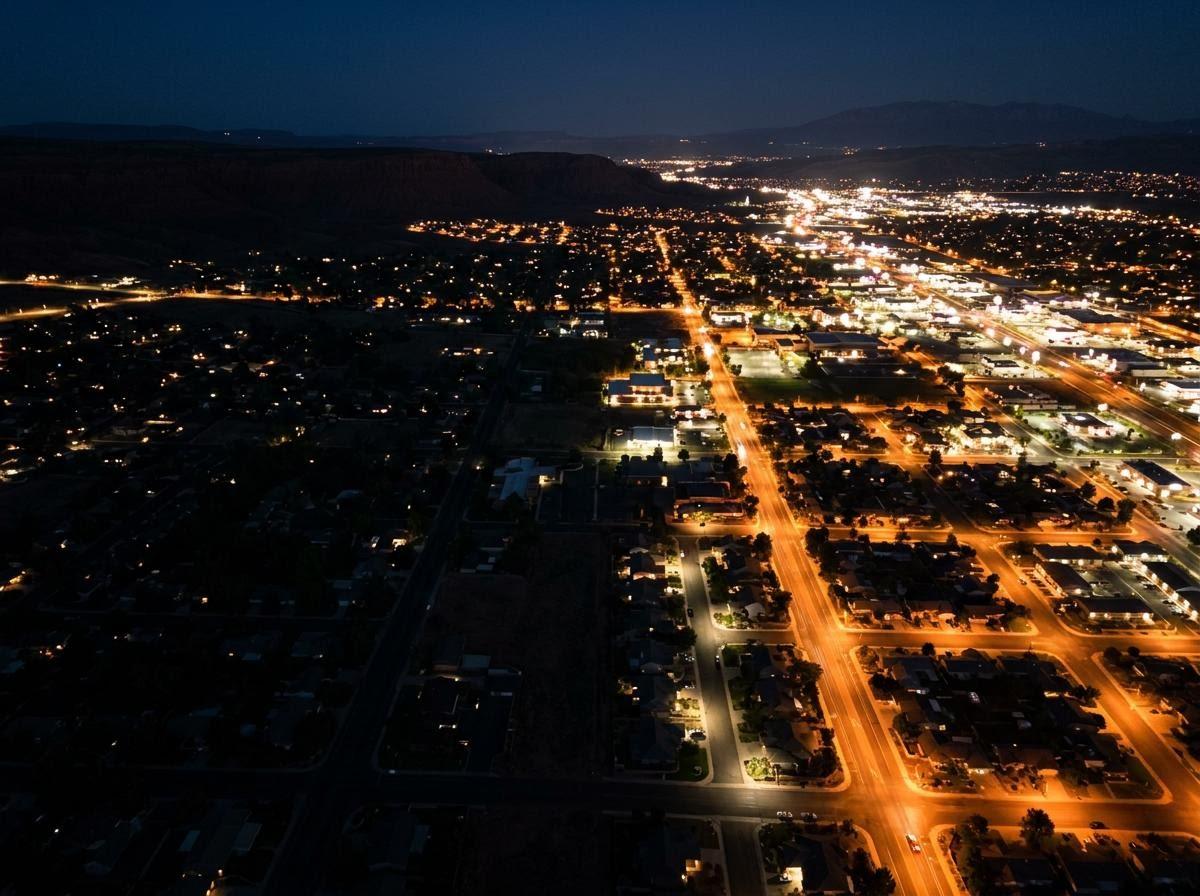
Beating the Summer Grid: Standby Generators vs. Solar Battery Backup in St. George
When ambient air temperatures top 110°F during high-summer heatwaves in Washington County, loss of air conditioning isn't just an inconvenience—it quickly becomes an urgent safety issue. As the regional power grid experiences peak electrical demand across St. George, Ivins, and Hurricane, smart homeowners are actively planning integrated back-up power solutions.
Choosing the right emergency power architecture requires balancing high instantaneous power needs against long-term fuel availability, HOA restrictions, and physical yard footprints.
High-Demand Cooling Needs in the High Desert
Running a standard high-efficiency 4-ton or 5-ton HVAC compressor demands a massive electrical draw:
Inrush Current (Starting Watts): Modern A/C compressors require a momentary spike between 15,000 and 22,000 watts to engage.
Running Watts: Once running, continuous power consumption hovers between 4,000 and 6,000 watts per cooling zone.
While mini-splits and fans can operate on smaller portable battery rigs, maintaining whole-home climate control on a custom Southern Utah estate requires a robust, high-capacity system.