
jscwhitelogo (1).jpg

Beating the Heat: Designing a Luxury Outdoor Kitchen & Patio for Southern Utah Summers

In St. George, our outdoor living spaces aren't just an extension of the home—they are the heart of the home. However, Southern Utah presents a unique challenge: extreme UV exposure and triple-digit summer temperatures that can "cook" inferior materials in a single season.

At Jim Savage Construction, we believe a luxury outdoor space should be as durable as it is beautiful. Here is our expert guide to designing an outdoor kitchen and patio built to withstand the Mojave heat.

1. Selecting Heat-Resistant Countertops: Quartz vs. Granite

When designing an outdoor kitchen in St. George, your choice of surface is the difference between a functional workspace and a burn hazard.

  • The Verdict on Quartz: While popular indoors, most standard quartz contains resins that can yellow and warp under direct Utah sunlight.

  • The Granite Advantage: We recommend light-colored, honed granite. It is a natural stone that handles thermal expansion better than engineered products. Light colors reflect solar energy, keeping the surface significantly cooler to the touch during a July afternoon BBQ.

2. Shade Structures: The Alumawood Revolution

While natural timber pergolas offer a rustic charm, the maintenance required in Washington County is relentless. Between the dry air and the sun, wood tends to crack, fade, and require restaining every 18 months.

As a premier Alumawood pergola builder, we steer our clients toward high-quality aluminum shade structures. Alumawood provides the texture of wood but is embossed with a weather-resistant finish that:

  • Never needs painting.

  • Won't burn, rot, or host termites.

  • Reflects heat rather than absorbing it, lowering the temperature of the patio below by up to 15 degrees.

3. Custom Pool Decks and Flooring

Standard concrete can become a "heat sink," radiating warmth long after the sun goes down. For custom pool deck construction, we prioritize materials with a high Solar Reflectance Index (SRI).

  • Travertine Pavers: Naturally porous and light in color, travertine stays remarkably cool on bare feet.

  • Cool-Deck Coatings: We apply specialized acrylic lace finishes that create air pockets, significantly reducing heat transfer to the skin.

4. Integrated Cooling Features

True luxury is found in the details. To make your patio habitable in August, we integrate:

  • High-Pressure Misting Systems: Not the "grocery store" drips, but fine-atomized mist that flash-evaporates, cooling the air without soaking your furniture.

  • Outdoor-Rated Ceiling Fans: Essential for breaking up stagnant heat under your custom shade structure.

Building for the Long Haul

A Southern Utah backyard is a significant investment. By choosing heat-resistant patio materials and local construction expertise, you ensure your space remains a sanctuary for decades. At Jim Savage Construction, we don't just build for today; we build for the 115-degree reality of tomorrow.

Ready to transform your backyard? Contact Jim Savage Construction today for a consultation on your custom St. George outdoor living project.
Outdoor Project Gallery

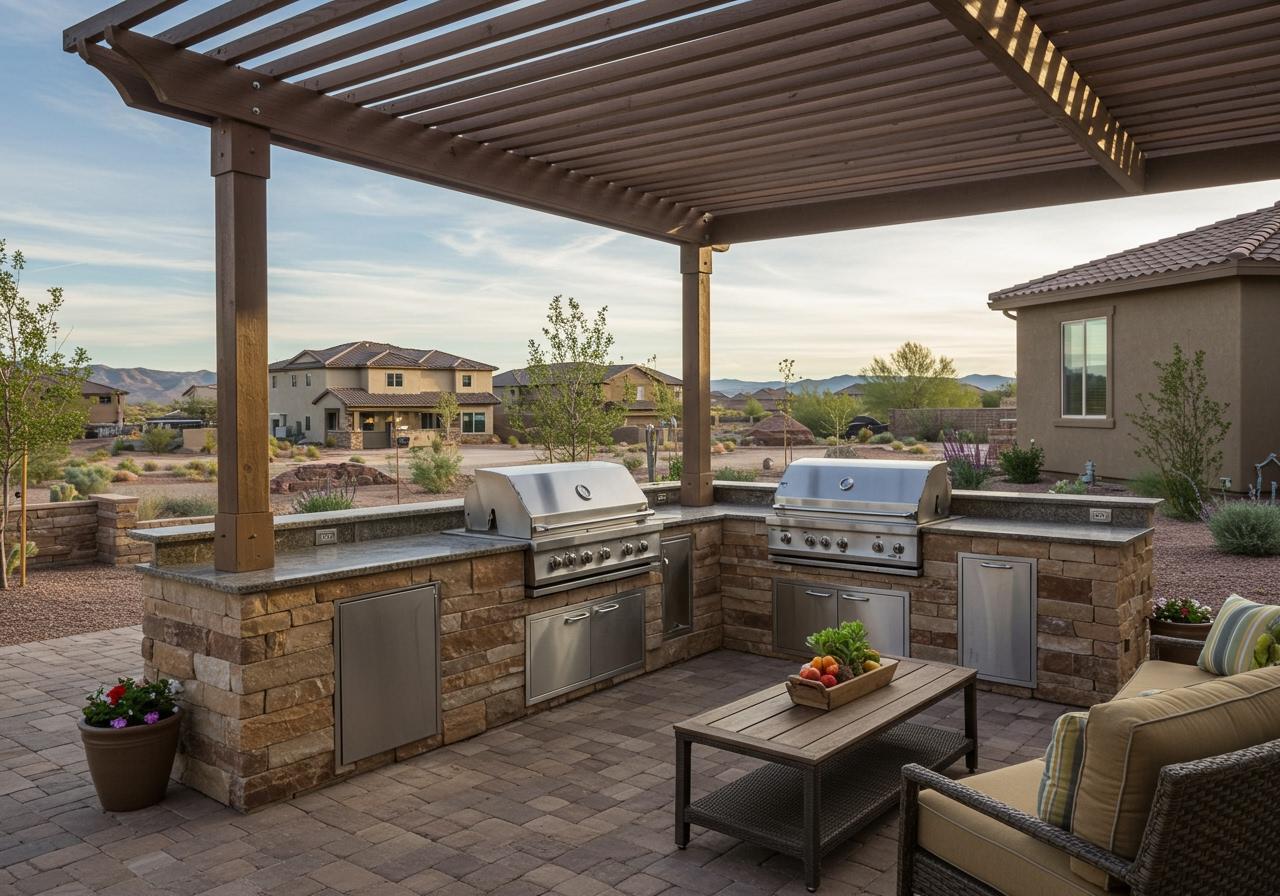
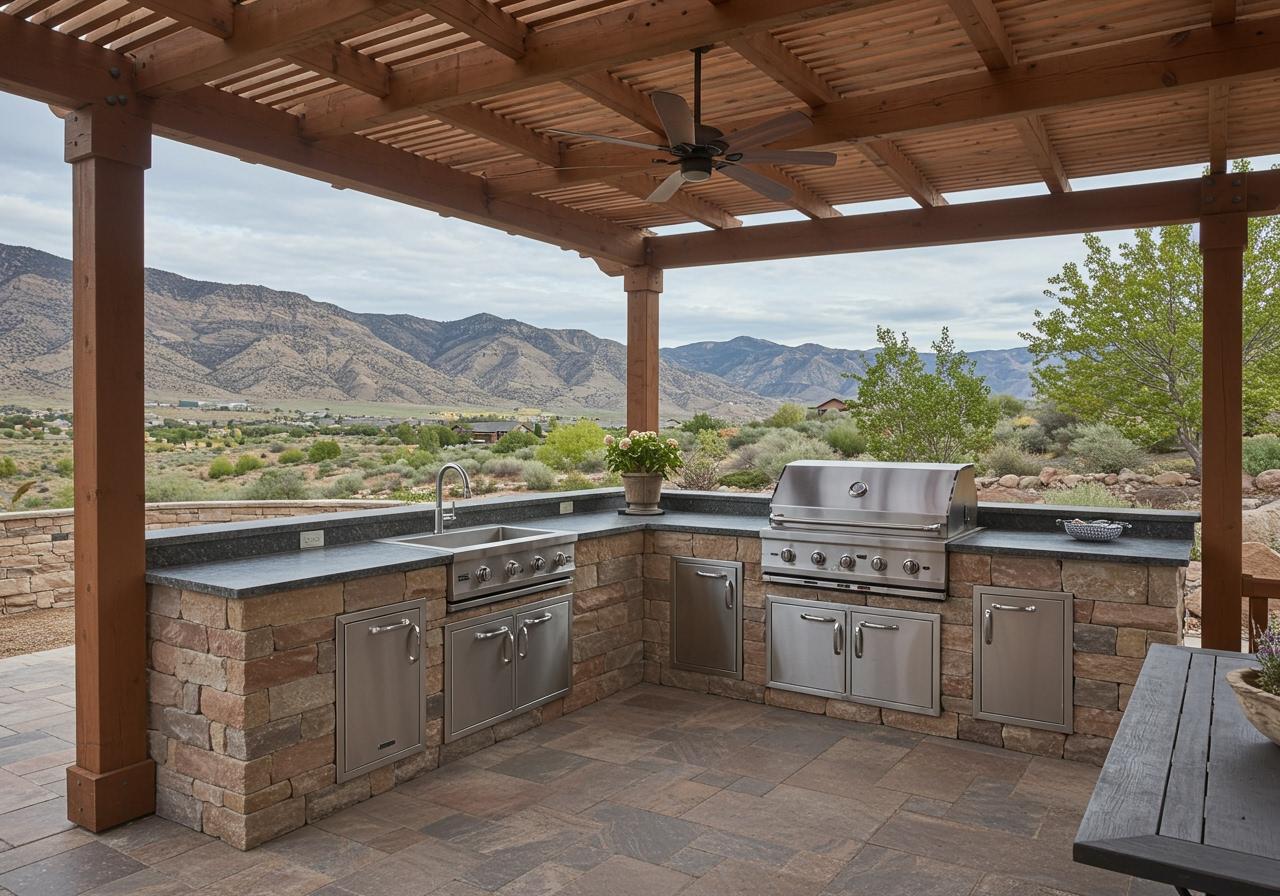
  • Custom Built-In Outdoor Kitchen St George
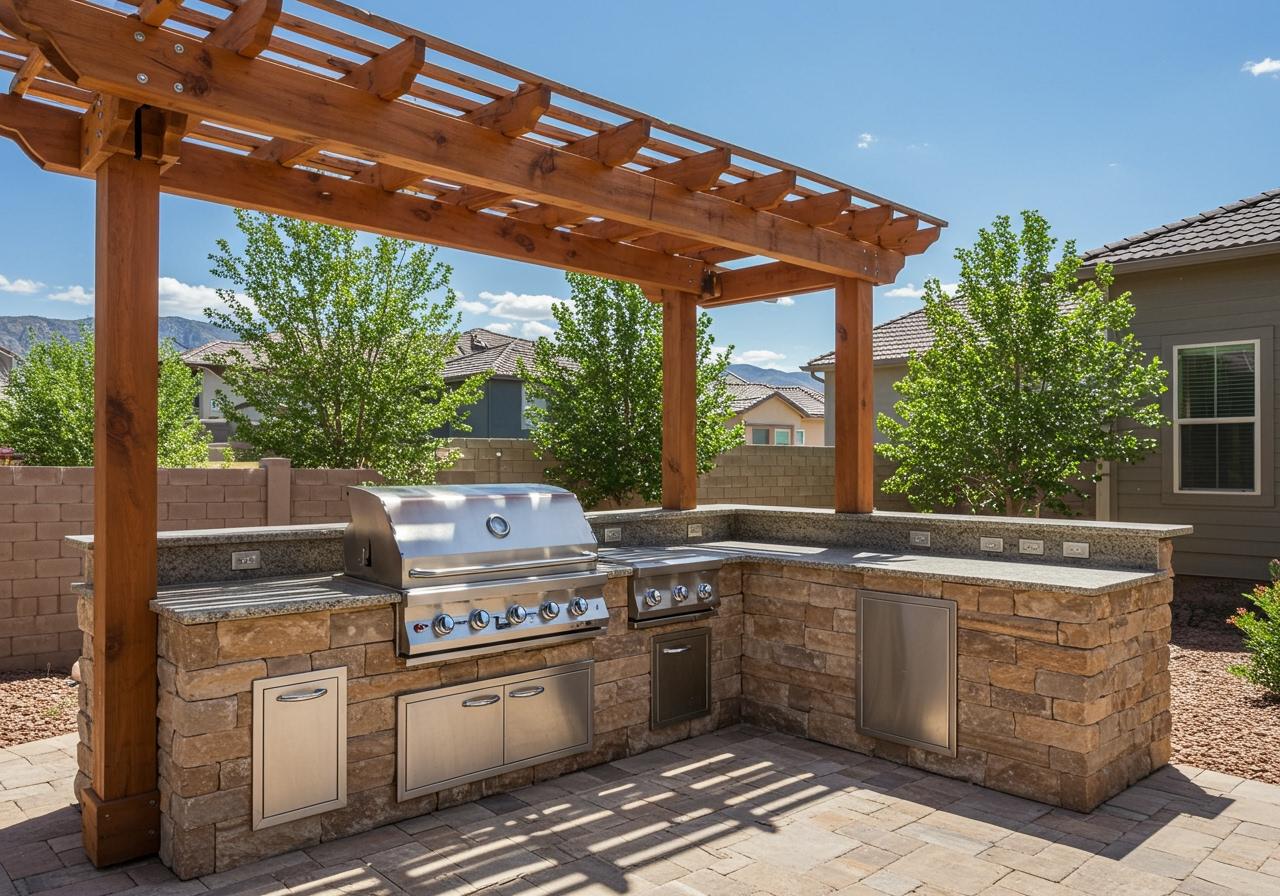
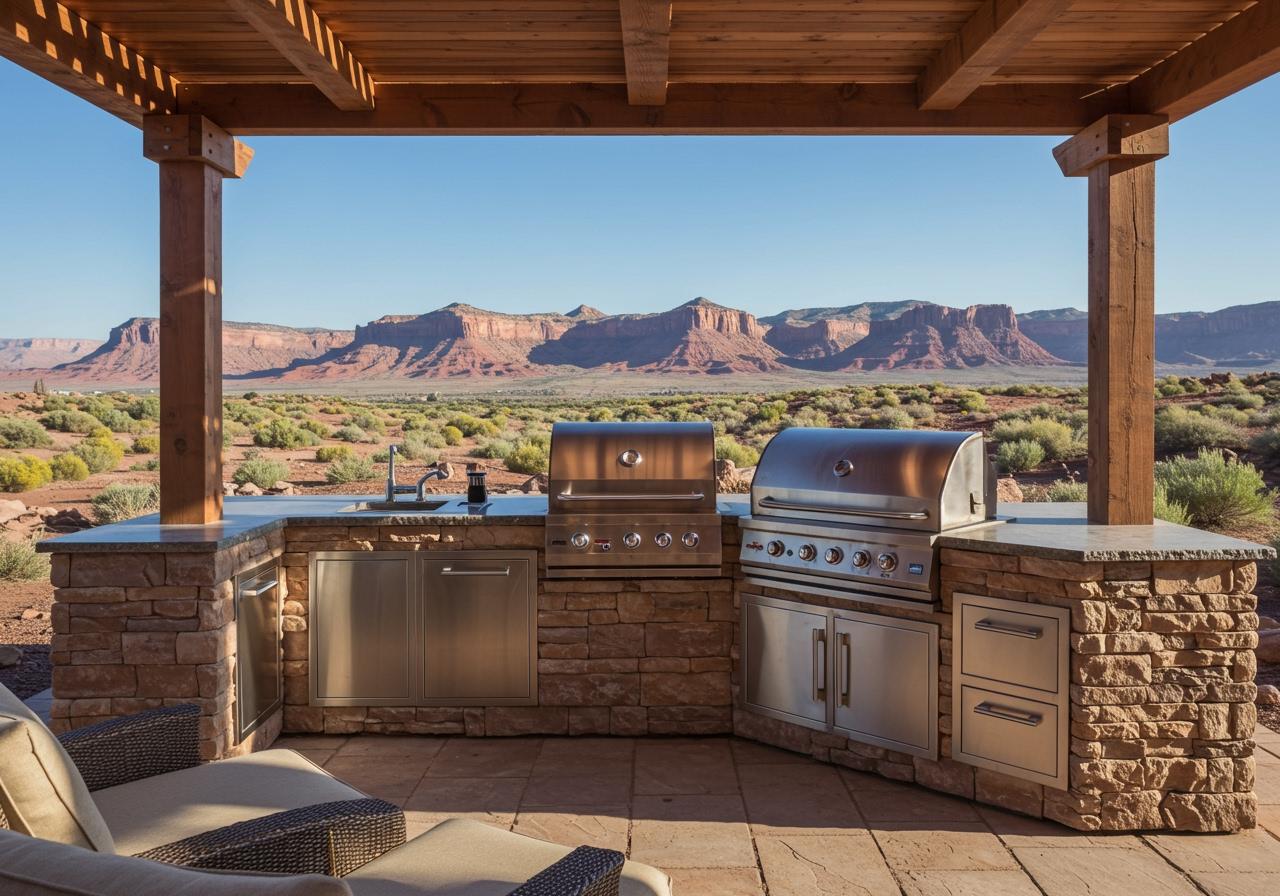
  • Custom outdoor kitchen with stone base, stainless grill, and wood pergola in Santa Clara, Utah.
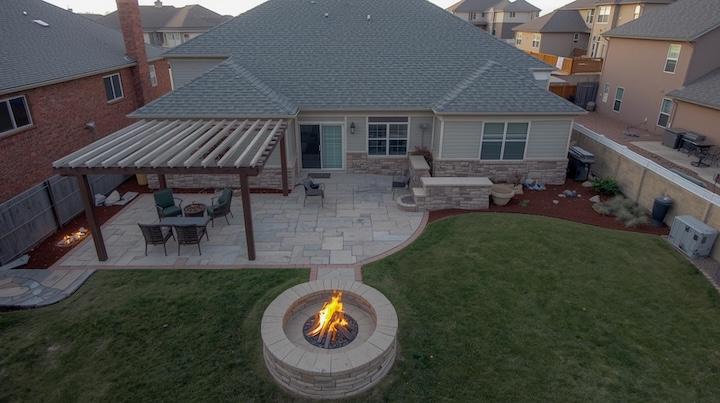
  • St. George Backyard Landscaping with Fire Pit and Pergola
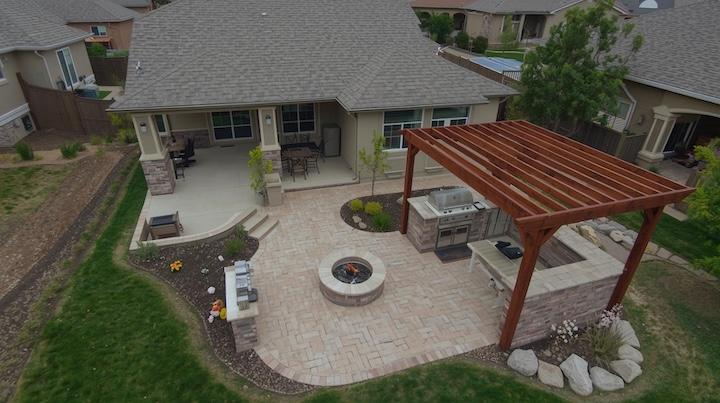
  • Aerial View of Complete Backyard Kitchen Design
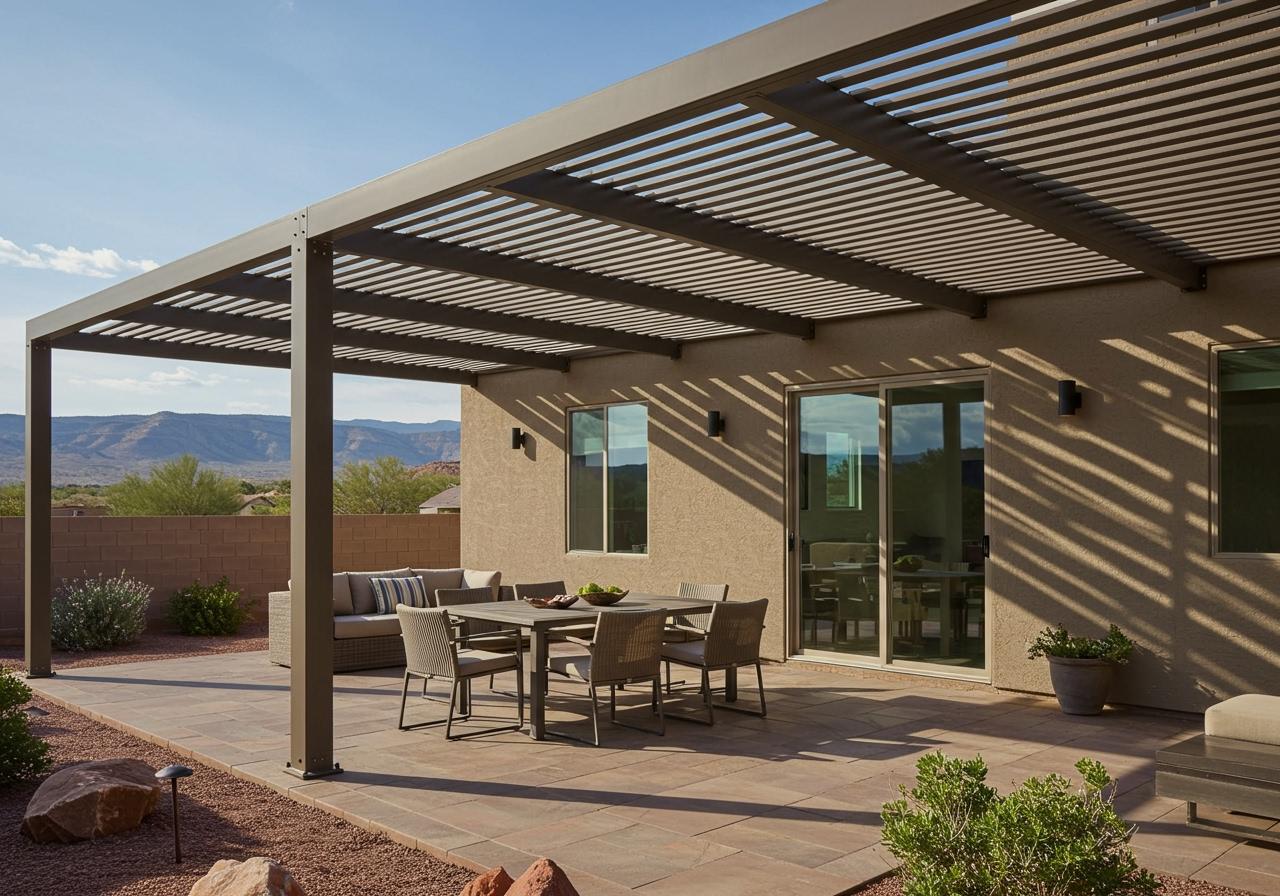
  • Sleek Aluminum Pergola for Modern Patio
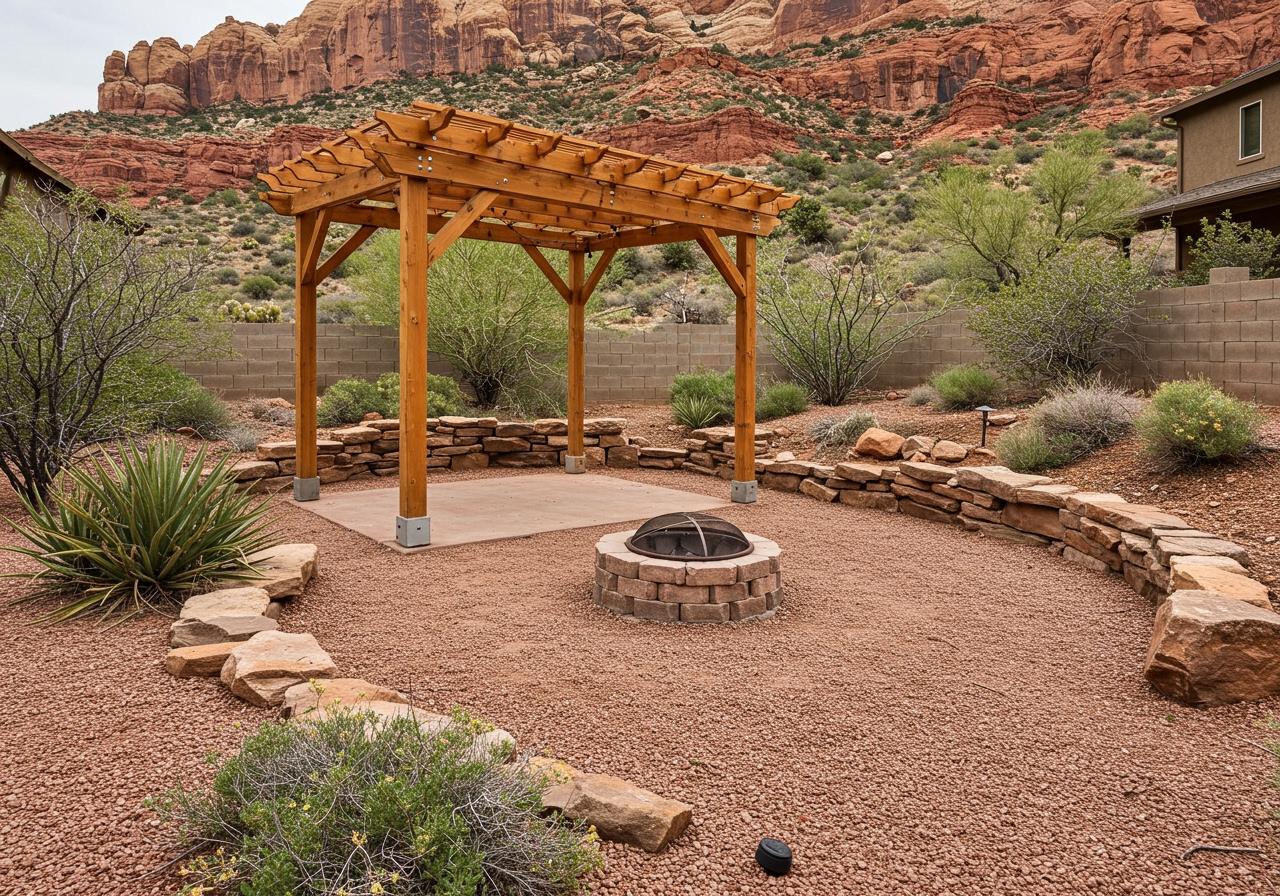
  • Wood Pergola and Fire Pit with Red Rock View
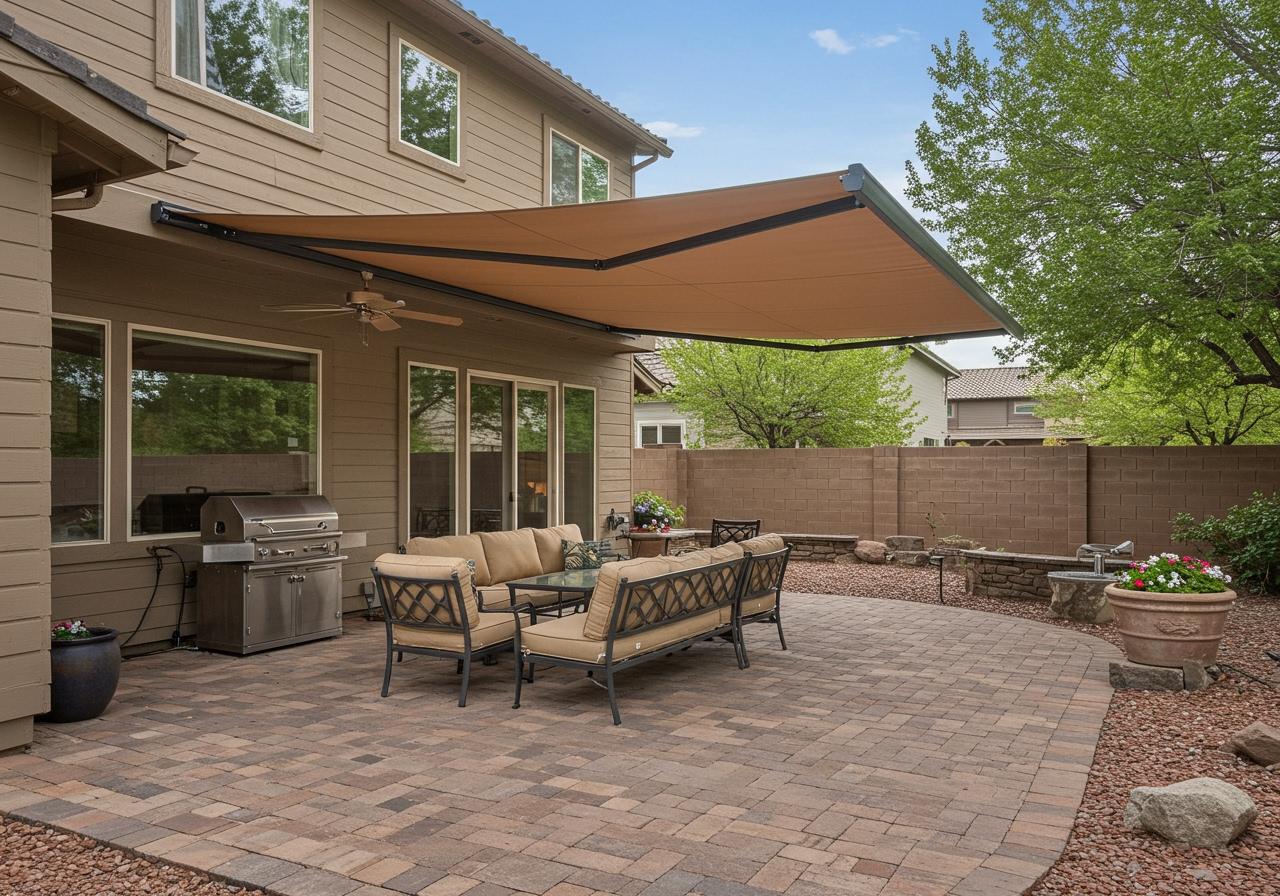
  • Retractable Patio Awning for Outdoor Shade
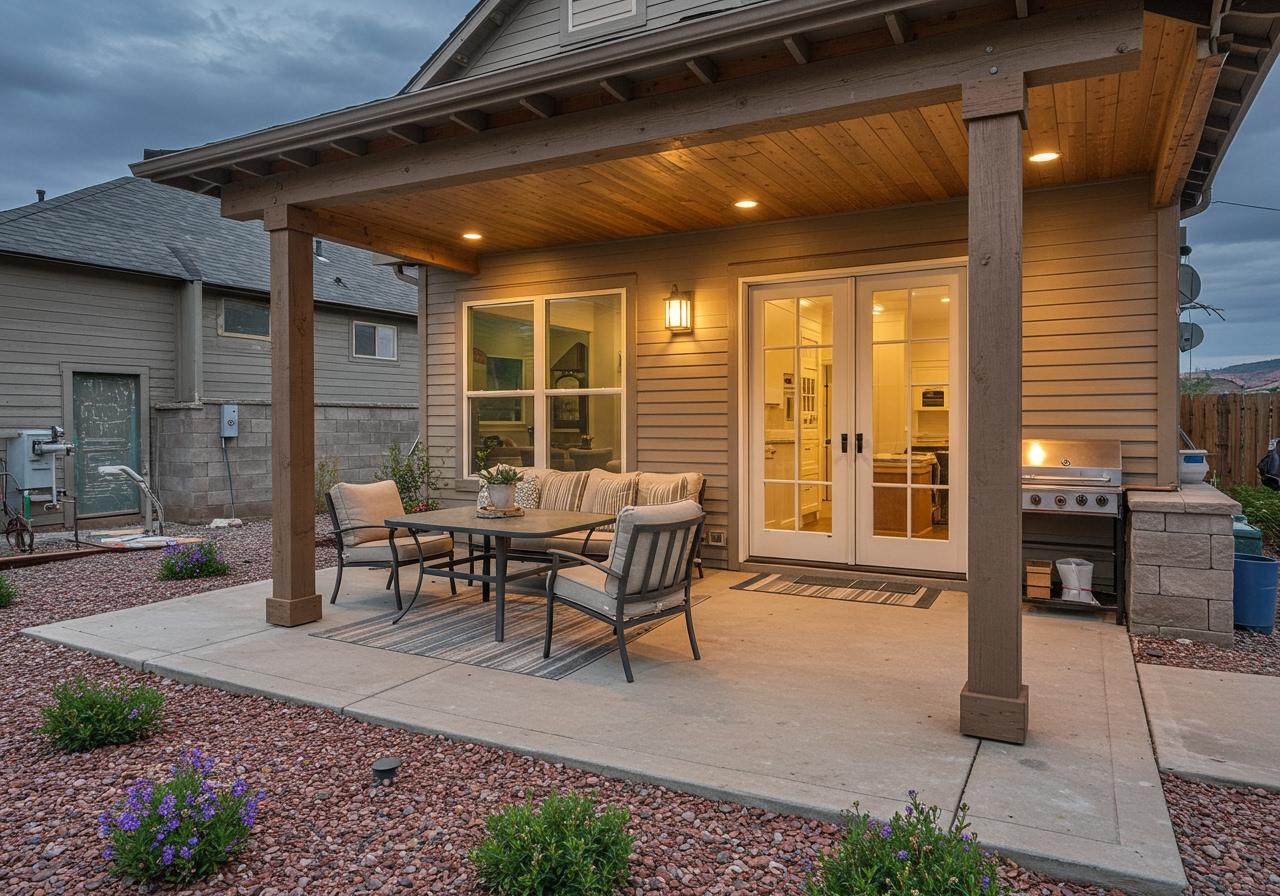
  • Exterior View of a Home with a Newly Built Covered Porch and BBQ Station.
  • 1759147267358/sample_0.jpg
  • Bespoke Design home renovation
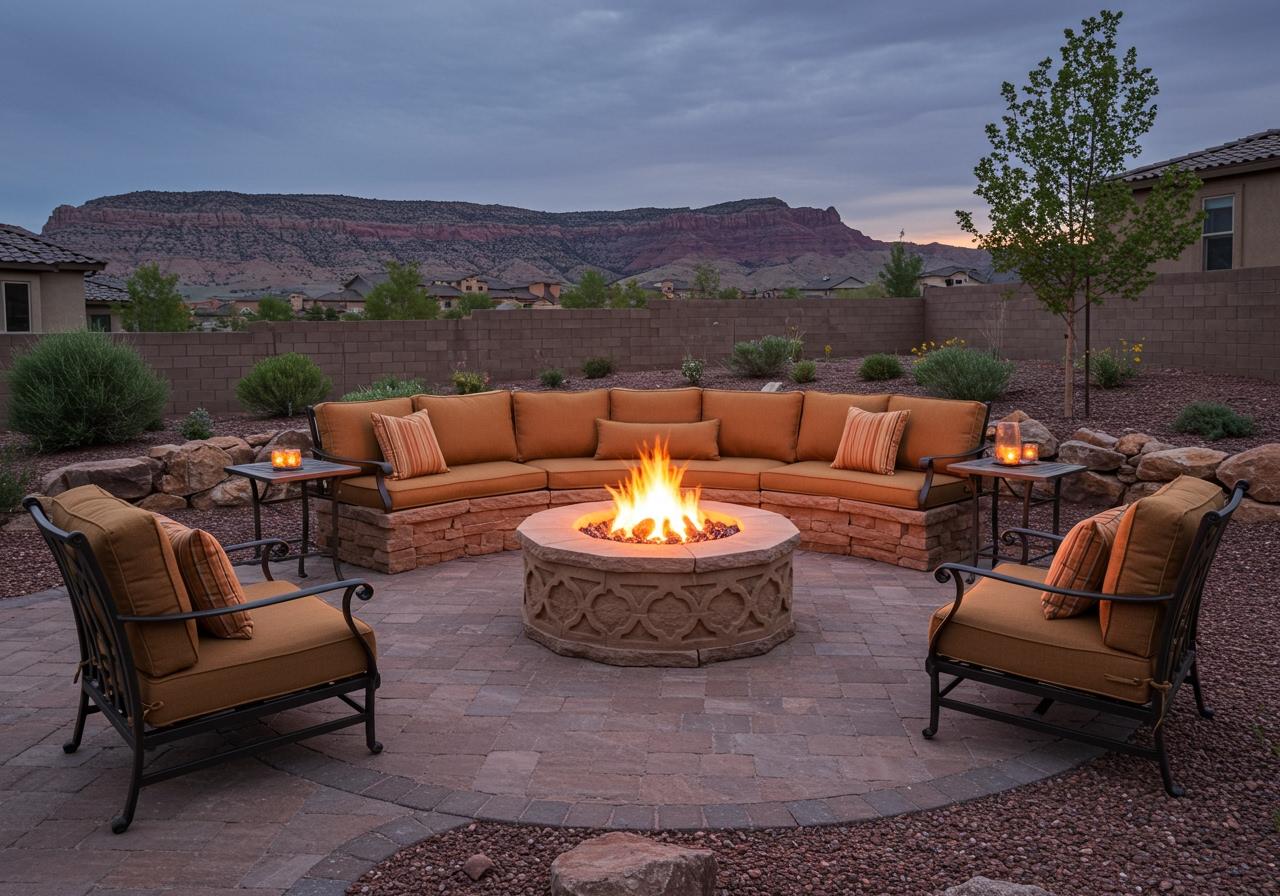
  • Custom Stone Firepit Patio in Southern Utah at Sunset
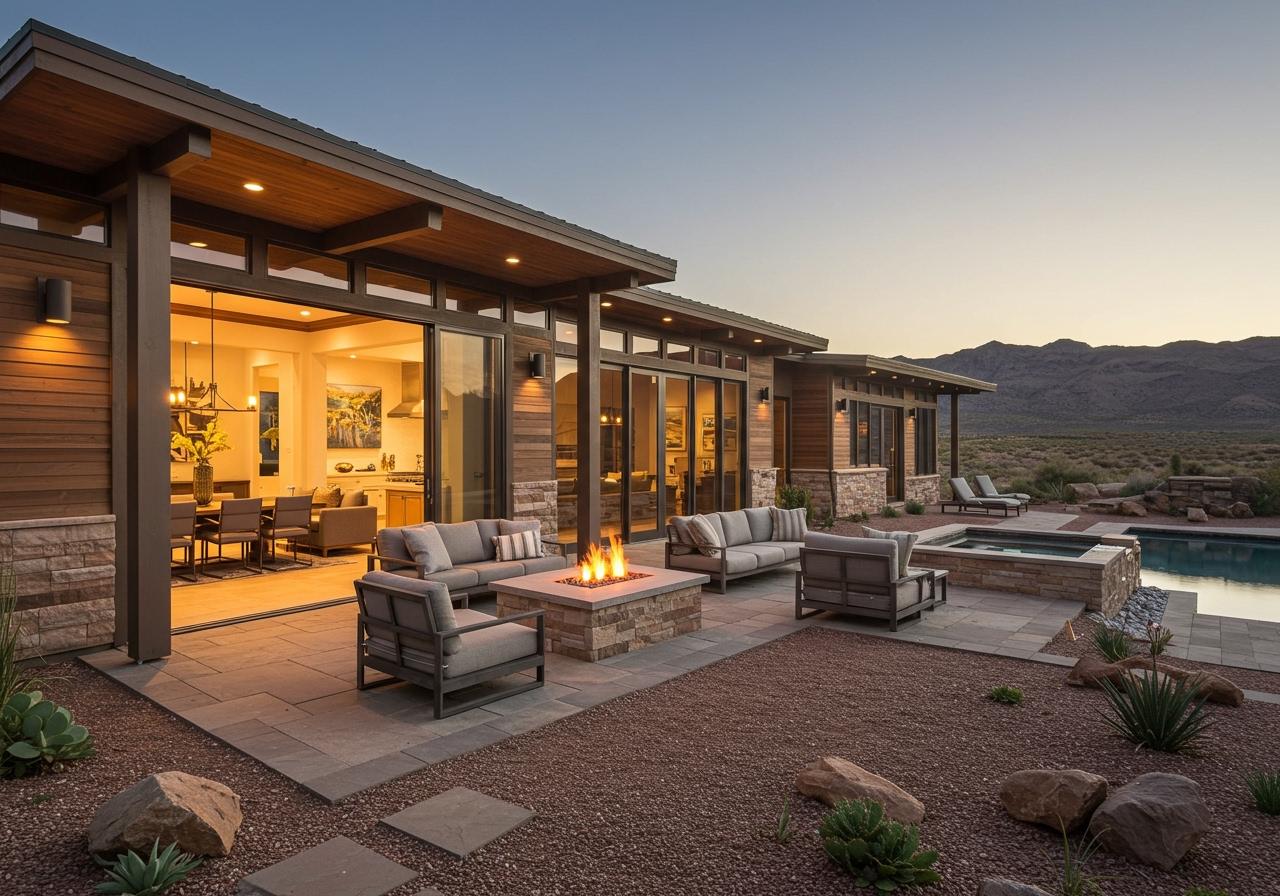
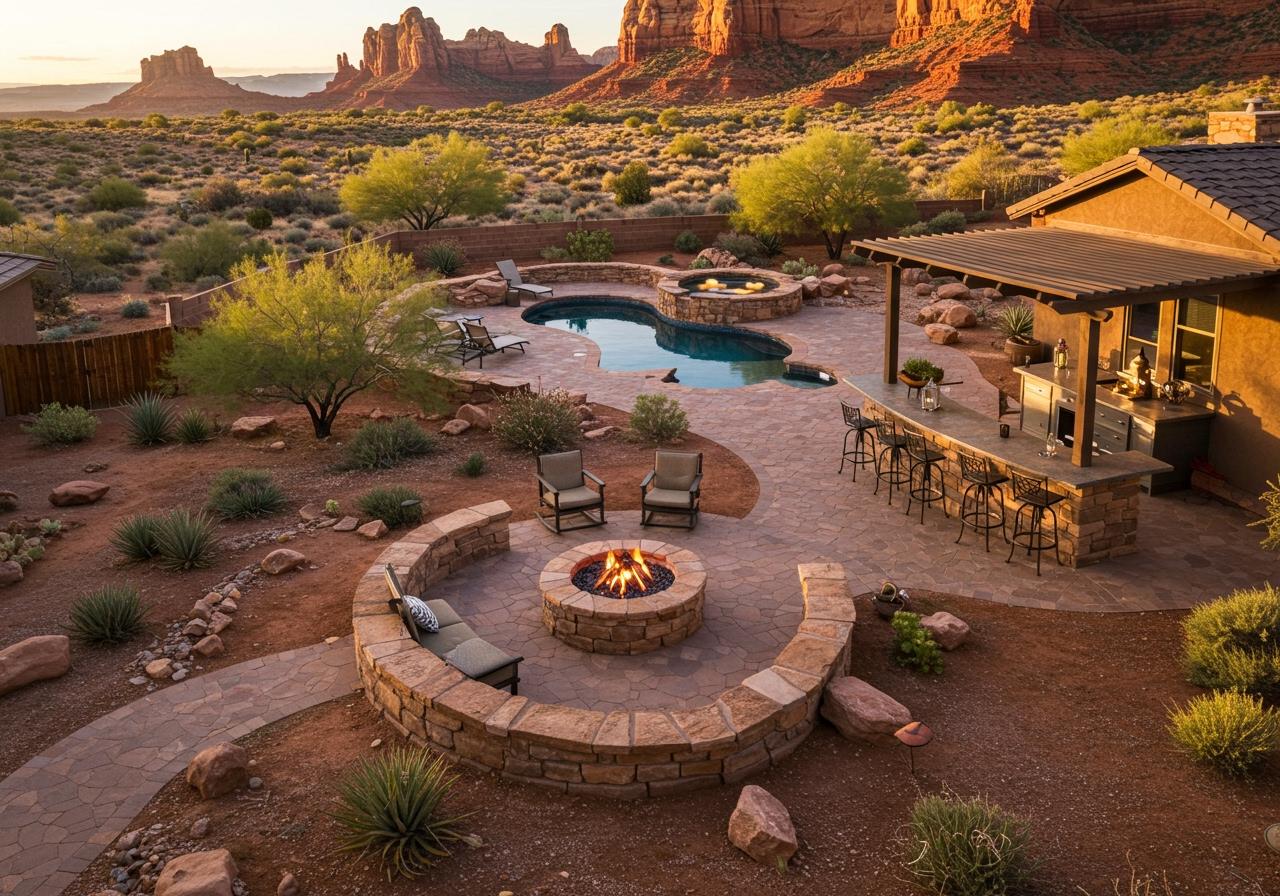
  • Desert backyard design with pool, fire pit, and outdoor kitchen in front of red rock mountains.
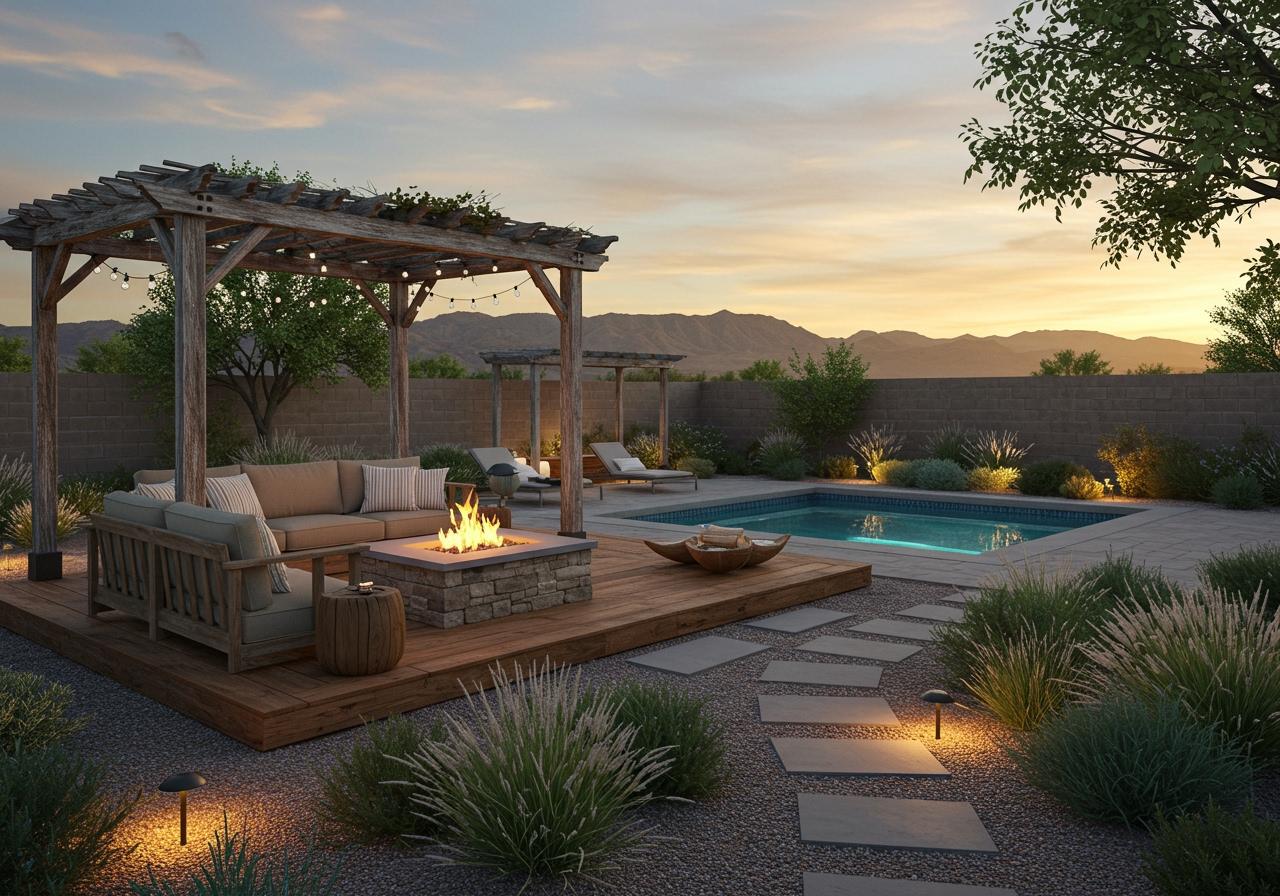
  • Modern outdoor living space with wooden pergola, cozy seating, fire feature, and poolside design
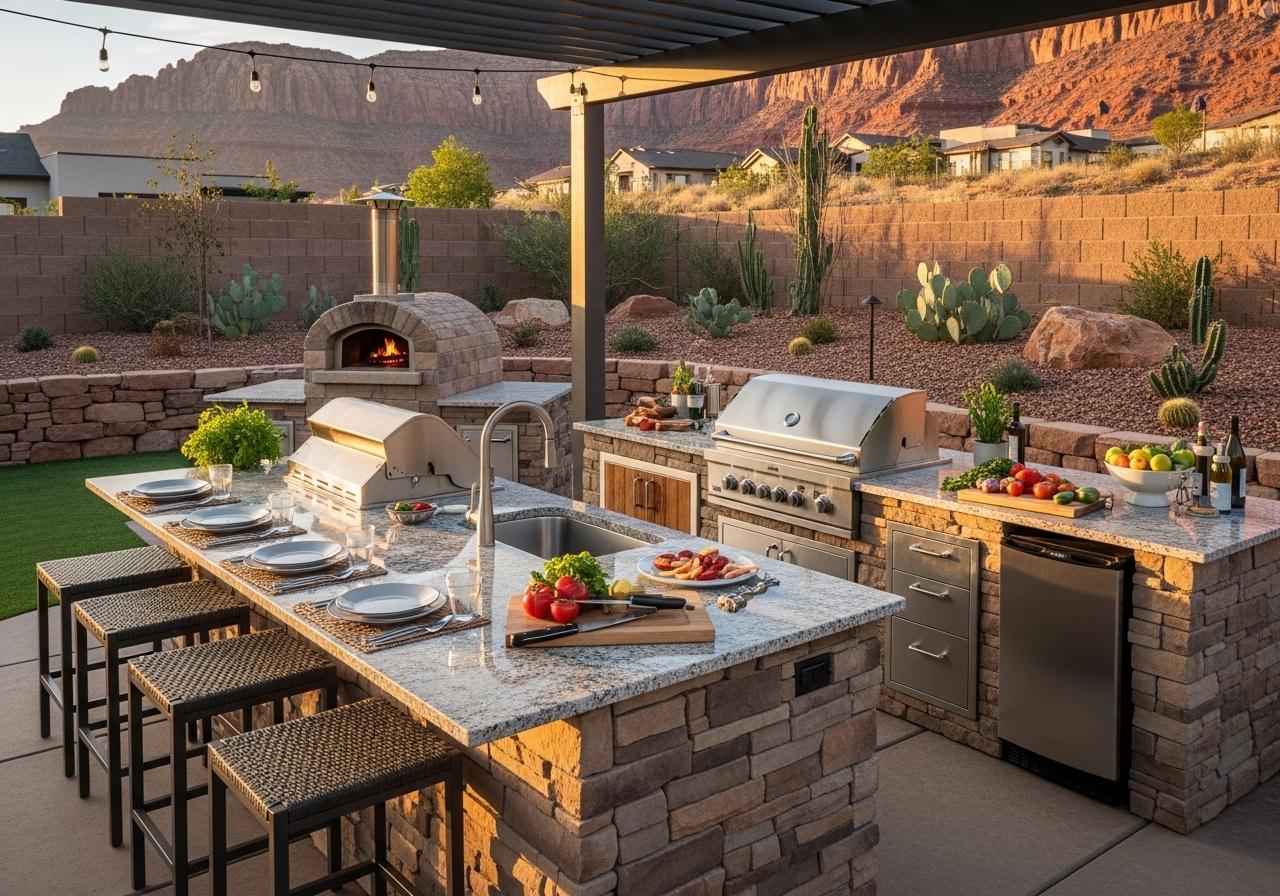
  • Modern Desert Grill Island & Wood-Fired Pizza Oven
  • Modern outdoor kitchen with stainless steel appliances and scenic mountain backdrop

Concrete vs. Granite: The Best Countertops for Utah Heat

In the desert landscapes of St. George and surrounding Southern Utah, your outdoor kitchen isn't just a luxury—it’s an extension of your home. However, the same sun that gives us beautiful red rock vistas also poses a significant challenge to outdoor building materials.

When planning an outdoor kitchen, most homeowners reflexively reach for granite. But is it actually the best choice for our climate? Let's dive into the "Concrete vs. Granite" debate with a focus on heat, UV resistance, and long-term durability.

The Granite Myth: When "Natural" Isn't Enough

Granite is a popular choice for indoor kitchens because it is nearly indestructible and heat-resistant to pots and pans. However, outdoor application in Utah changes the math.

1. Thermal Absorption (The "Burn" Factor)

Granite is an incredibly dense igneous rock. While density is usually good, in the Southern Utah sun, it acts as a thermal mass. On a 105 degree July day, a dark granite countertop can easily reach temperatures exceeding 150 degrees. This makes the surface dangerously hot to the touch, rendering your bar seating unusable without heavy shading.

2. UV Degradation of Sealers

While the stone itself won't fade, the epoxy resins and sealers used to make granite non-porous are highly susceptible to UV rays. Over time, the sun can turn these sealers yellow or cause them to peel, requiring frequent and costly maintenance.

The Concrete Advantage: Engineered for the Desert

Custom-poured, polished concrete is rapidly becoming the gold standard for high-end Utah outdoor living. Here is why it's the superior choice for our "heat-resistant countertops" search.

1. Superior Heat Management

Concrete is significantly more breathable and less dense than granite. It does not store heat with the same intensity. When light-colored aggregates and pigments are used, polished concrete remains noticeably cooler to the touch even in direct sunlight, allowing you to actually use your prep space during a summer BBQ.

2. UV Resistance and Color Stability

Modern outdoor concrete uses integral pigments that are mixed throughout the entire slab. These pigments are specifically designed to be UV-stable. Unlike granite, which relies on a topical sealer for its shine, polished concrete achieves its luster through mechanical grinding, meaning there is no plastic film to bake and peel off in the sun.

3. Seamless Modern Design

One of the biggest pain points with granite is the seams. In large outdoor islands, seams are inevitable and become points of failure when the ground shifts or expands due to temperature fluctuations. Concrete is poured as a single, monolithic slab. This "seamless" look is not only more durable but also aligns perfectly with the modern, desert-minimalist aesthetic popular in Utah today.

Conclusion: Making the Right Choice

While granite remains a classic choice for interiors, polished concrete in Utah offers the technical performance required for the Mojave Desert climate. It manages heat better, stands up to intense UV exposure, and provides a bespoke, modern look that granite simply cannot match.

If you are designing an outdoor space meant to survive the St. George summer, choose the material that works with the heat, not against it.